What Should You Know Before Buying a Home With a Retaining Wall?
You find a home you like. The layout works, the neighborhood feels right, and the backyard has great usable space.
Then you notice a retaining wall.
Should that concern you?
Not necessarily. Retaining walls are common on properties with changes in elevation, but buyers should understand the wall’s condition, drainage, purpose, and potential maintenance responsibilities before purchasing the home.
A retaining wall isn't automatically a reason to avoid a property. It's simply something worth investigating carefully.
Here are five things to consider.
1. Understand Why the Retaining Wall Is There
Retaining walls are generally designed to hold back soil where there's a difference in ground elevation.
Depending on the property, a wall might help:
create a more usable yard
support landscaping
manage a slope
separate different elevations
help control soil movement
Some retaining walls are relatively small landscaping features. Others may be much larger and more significant to the property.
Understanding the wall's purpose is a good first step.
2. Look Carefully at the Wall's Condition
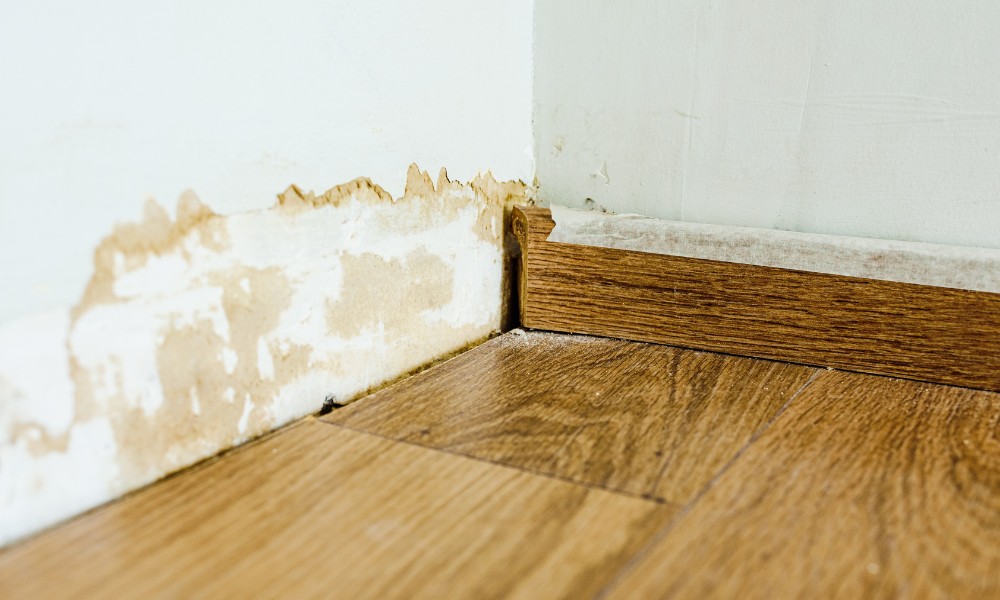
You don't need to be an expert to notice that something deserves further investigation.
During your tour, look for visible conditions such as:
significant cracks
leaning or bowing
separation
damaged materials
soil movement
water collecting nearby
Seeing one of these conditions doesn't tell you exactly what's wrong—or whether there's a serious problem.
It tells you that you may want a qualified professional to evaluate it.
Don't try to diagnose a retaining wall based only on appearance.
3. Pay Attention to Drainage
Water is an important consideration around retaining walls.
When you're evaluating the property, look at the surrounding grading and drainage.
Where does water go when it rains?
Are there visible drainage components?
Does water appear to collect behind or near the wall?
Are there signs of erosion?
If you're seriously considering the home and have concerns about drainage or the wall itself, an appropriate inspector, engineer, drainage professional, or other qualified specialist can help you understand the specific property.
4. Find Out Who Is Responsible for the Wall
A retaining wall near a property line can raise another important question:
Whose responsibility is it?
Don't assume that because you can see the wall from the backyard, it automatically belongs entirely to the property you're purchasing.
Depending on its location, there could be questions involving property boundaries, neighboring properties, easements, HOA responsibilities, or other agreements.
If ownership or maintenance responsibility isn't clear, review available property documents and consult the appropriate title, survey, legal, HOA, or other qualified professionals as necessary.
It's much better to understand this before buying than after a repair becomes necessary.
5. Consider Future Maintenance and Your Plans for the Property
Like other property improvements, retaining walls may eventually require maintenance or repair.
That matters when you're evaluating the overall cost of owning the home.
It can also matter if you're planning future changes to the yard.
For example, if you're imagining new landscaping, a pool, an addition, or another outdoor project, don't assume the existing wall or surrounding land can automatically accommodate those plans.
Depending on the project, engineering, permits, setbacks, drainage, HOA requirements, or other considerations may apply.
Investigate anything that's important to your future plans before purchasing the property.
Watch This: 7 Types of Houses Smart Buyers Avoid
A retaining wall doesn't automatically make a property a home you should avoid.
But it does illustrate why buyers need to look beyond kitchens, flooring, and finishes.
👉 In “7 Types of Houses Smart Buyers Avoid,” we discuss why certain property characteristics deserve closer investigation before making a purchase.
The goal isn't to become afraid of potential issues. It's to understand what you're buying before you own it.
The Bottom Line
Should you buy a home with a retaining wall?
Possibly. The presence of the wall itself isn't necessarily the issue—the important part is understanding its condition and role on the property.
Before buying, consider:
why the wall exists
its visible condition
drainage around it
signs of movement or damage
who owns and maintains it
potential future maintenance
how it could affect your plans for the property
👉 A retaining wall shouldn't automatically scare you away from a home. But it also shouldn't be something you ignore.
If the wall raises concerns, have the appropriate qualified professional evaluate the specific situation before you make your final decision.
Contact
At Cornerstone Real Estate Team, we help Tri-Valley buyers look beyond the surface of a property and identify questions worth investigating before making a purchase.
Jameel Batshon and Ramez Bahu are real estate professionals with Cornerstone Real Estate Team serving buyers and homeowners throughout the Tri-Valley, including Pleasanton, Dublin, Livermore, Danville, and San Ramon.
📞 925-203-5672
Cornerstone Real Estate Team – Jameel Batshon and Ramez Bahu
Media Disclaimer: Some images and media used in this blog are for informational and illustrative purposes. All rights and credits belong to their respective owners.
