What Should You Know Before Buying a Home on a Private Road?
A home on a private road can offer things buyers love—more privacy, less through traffic, and sometimes a quieter setting.
But there's an important difference between living on a private road and living on a public street. Depending on the property, homeowners may have responsibilities involving road maintenance, access, repairs, insurance, or shared expenses.
Before buying, here are five things you'll want to understand.
1. Find Out Who Actually Owns and Maintains the Road
Don't assume the city or county maintains the road just because it looks like a normal residential street.
Private roads may be maintained by individual property owners, an HOA, or a group of neighboring homeowners.
Before purchasing, find out:
Who is responsible for maintenance?
How are repair costs divided?
Is there a regular maintenance schedule?
Who handles potholes, drainage, or other problems?
Are there written agreements between homeowners?
The answers can vary significantly from one property to another.
2. Understand Your Legal Access to the Property
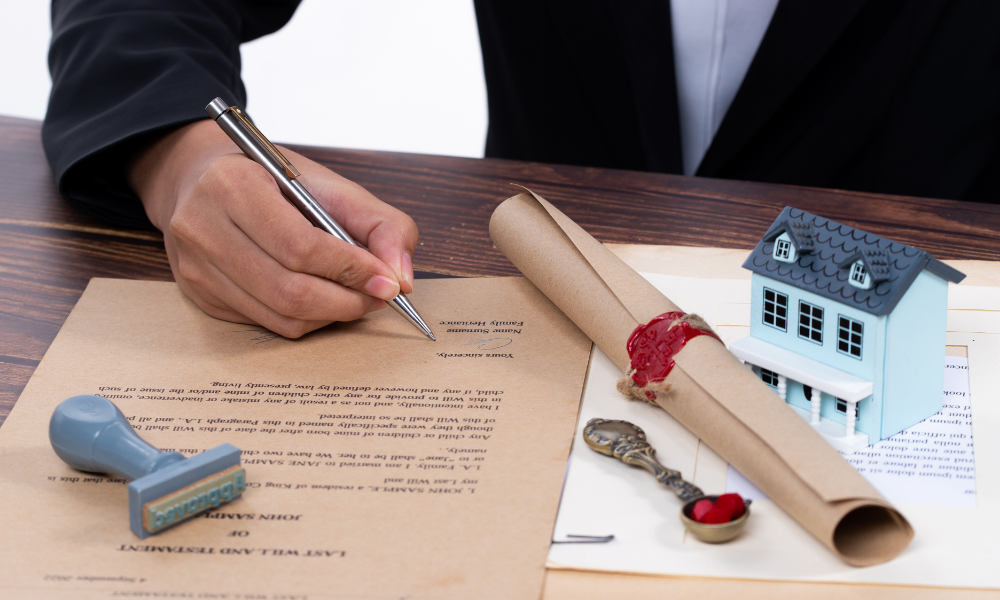
Physical access and legal access aren't necessarily the same thing.
A property on a private road may involve an easement or other recorded access rights that allow owners to travel across land they don't personally own.
Buyers should review the property's title information and relevant recorded documents carefully.
Your real estate professional can help identify documents associated with the transaction, while questions about legal rights, easements, or title should be directed to the appropriate title or legal professional.
3. Ask How Road Expenses Are Shared
If several homes use the same road, maintenance expenses may be divided among the owners.
But how?
One road might have a formal agreement specifying each owner's responsibility. Another may rely on a different arrangement.
Ask whether there's a written road maintenance agreement and review available information about past expenses.
You don't want to discover after moving in that a major road repair is needed and you're responsible for a cost you didn't anticipate.
4. Consider Everyday Access
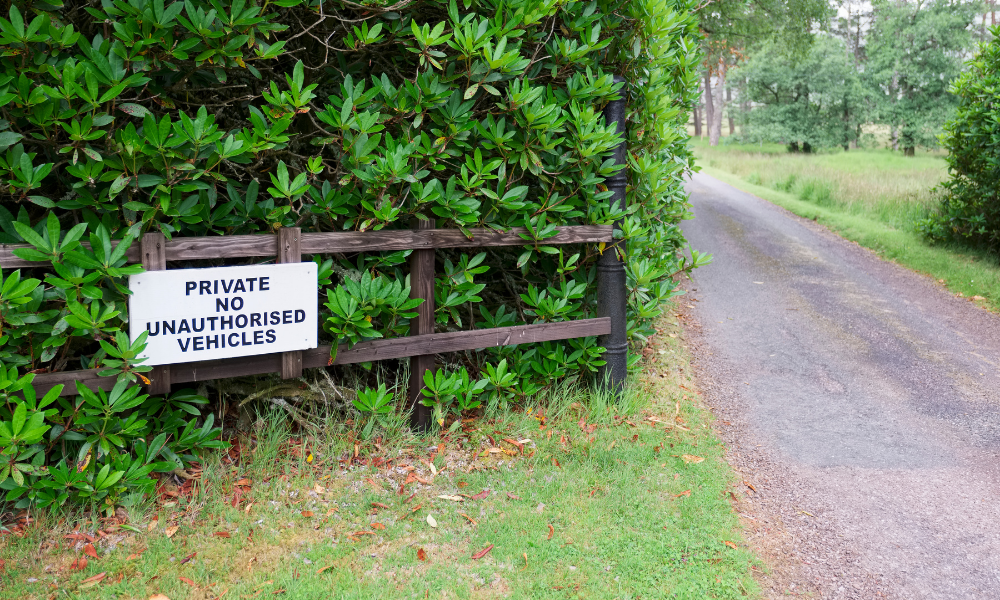
The road itself should be part of your home evaluation.
When touring the property, consider:
road width
pavement or surface condition
parking
drainage
visibility
turnaround areas
access for larger vehicles
It can also be helpful to visit more than once.
A road that feels quiet on a weekend afternoon could feel different during weekday commuting hours, after heavy rain, or when multiple neighbors have visitors.
If you have concerns about emergency, utility, delivery, or service-vehicle access, investigate those issues with the appropriate local agencies or service providers before purchasing.
5. Talk to Your Lender and Insurance Provider Early
Private-road properties can sometimes raise additional questions during financing or insurance review.
For example, a lender may want documentation concerning legal access or road maintenance arrangements. Insurance considerations can also vary depending on the property.
That's why it's better to identify the private-road situation before you're deep into the transaction.
Talk with your lender, insurance provider, title company, and other appropriate professionals about the specific property and documentation required.
Watch This: 7 Types of Houses Smart Buyers Avoid
A home can look great during a showing while still having details that deserve closer investigation.
👉 In “7 Types of Houses Smart Buyers Avoid,” we discuss why buyers should look beyond finishes and consider factors that could affect their experience owning the property.
A private road doesn't automatically make a home a bad choice. It simply gives you a few more questions to answer before making your decision.
The Bottom Line
Should you avoid buying a home on a private road?
Not necessarily.
For the right buyer, a private-road property may offer the location, privacy, or setting they're looking for.
The important thing is understanding:
who owns the road
who maintains it
how expenses are divided
what access rights exist
whether there are written agreements
how the road affects everyday use
whether financing or insurance creates additional requirements
👉 Don't judge the property only by the house. When you buy on a private road, understanding the road itself is part of understanding what you're buying.
Contact
At Cornerstone Real Estate Team, we help buyers throughout the Tri-Valley look beyond the surface of a home and understand the questions worth asking before making an offer.
Jameel Batshon and Ramez Bahu are real estate professionals with Cornerstone Real Estate Team serving buyers and homeowners throughout the Tri-Valley, including Pleasanton, Dublin, Livermore, Danville, and San Ramon.
📞 925-203-5672
Cornerstone Real Estate Team – Jameel Batshon and Ramez Bahu
Media Disclaimer: Some images and media used in this blog are for informational and illustrative purposes. All rights and credits belong to their respective owners.
