What Should Buyers Know About Homes With Mature Trees?
Mature trees can be one of the features that make an established neighborhood feel special.
They can provide shade, privacy, character, and a beautiful setting that would take years to recreate with new landscaping.
But when you're buying a home with large, established trees, it's worth looking beyond how they appear from the street.
Mature trees can be a great feature, but buyers should also consider their condition, location, roots, maintenance needs, and proximity to the home before purchasing.
Here are five things to consider.
1. Look at Where the Trees Are Located
A large tree in the right location can provide valuable shade and privacy.
A large tree extremely close to the house may deserve a closer look.
When touring the property, notice how trees are positioned in relation to:
the house
roof
driveway
fences
patios
walkways
neighboring properties
utility areas
Branches hanging over the roof or trees growing close to structures don't automatically mean there's a problem.
They simply give you something else to evaluate.
2. Pay Attention to the Tree's Condition
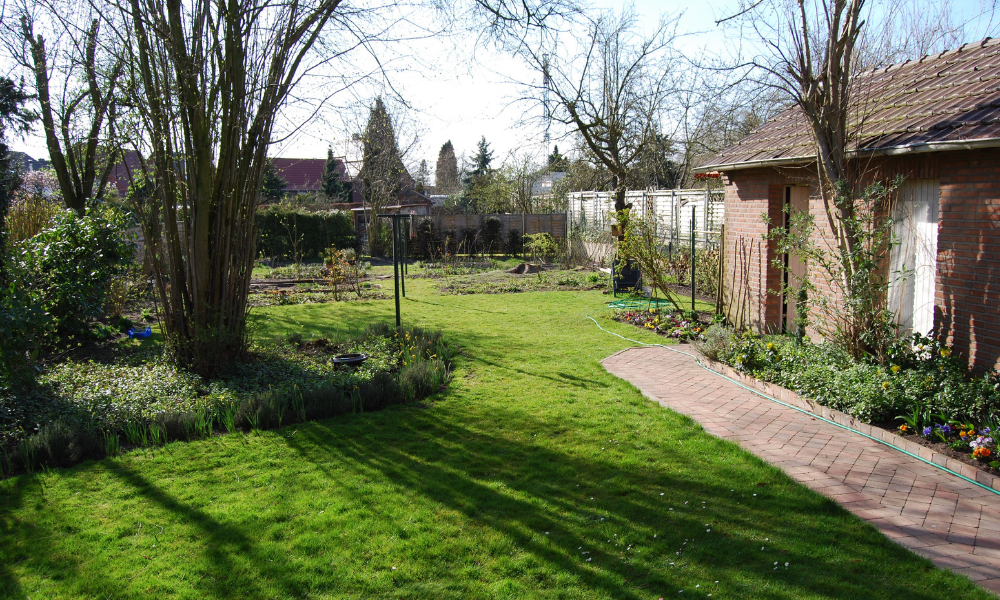
You don't need to be an arborist to notice when a tree may deserve professional attention.
Look for obvious conditions such as:
dead or broken branches
significant leaning
visible trunk damage
unusual cracks
areas of decay
large dead sections
These observations don't necessarily tell you whether a tree is healthy or unsafe.
If a mature tree raises concerns, consider having a qualified arborist evaluate it before you complete your purchase.
3. Don't Forget About Roots
What you see above ground is only part of the tree.
Roots can extend well beyond the trunk.
When evaluating the property, look at nearby sidewalks, patios, driveways, fences, and other improvements for visible signs of movement or damage.
If there are concerns about roots near the home's foundation, drainage, sewer or utility lines, or other structures, the appropriate qualified professional can help you investigate further.
Avoid assuming that every crack near a tree was caused by its roots—or that roots can't create problems simply because nothing is immediately visible.
4. Consider the Maintenance
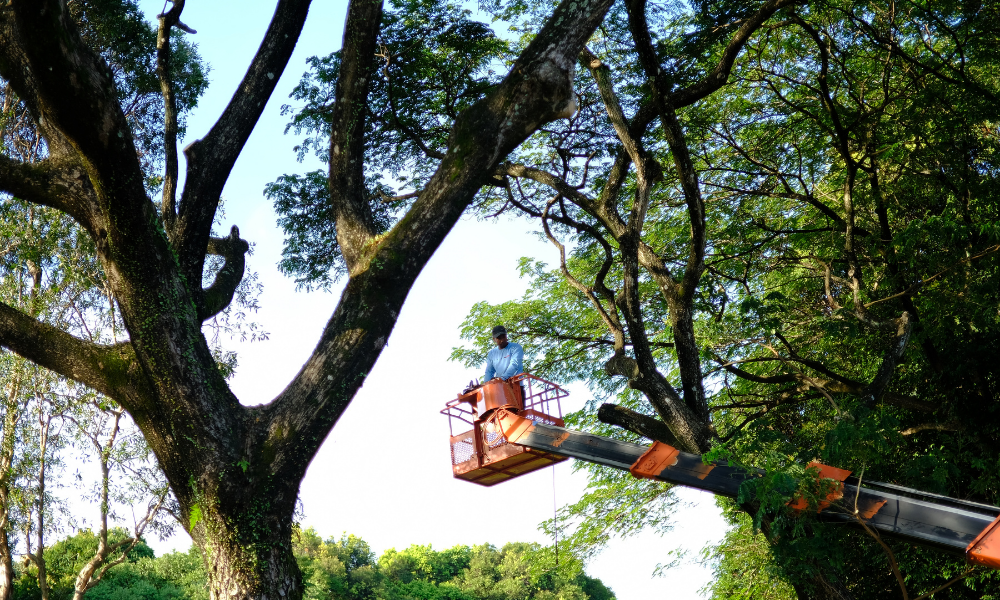
Mature landscaping can be beautiful, but it may require ongoing care.
Depending on the trees and property, ownership could involve:
pruning
leaf cleanup
irrigation
monitoring tree health
removing damaged branches
professional tree service
Some buyers love established landscaping and are happy to maintain it.
Others may prefer a lower-maintenance yard.
Before buying, think about whether the property's landscaping fits the amount of time and expense you're comfortable putting into it.
5. Think About the Benefits Too
It's easy to focus only on potential problems, but mature trees can also be a major part of what makes a property appealing.
They may provide:
shade during warm weather
backyard privacy
attractive views
established landscaping
neighborhood character
comfortable outdoor spaces
In established Tri-Valley neighborhoods, mature landscaping can create a very different feel from newer communities where trees and landscaping may still be developing.
The goal isn't to avoid homes with mature trees.
It's to understand what you're getting along with them.
Watch This: 7 Types of Houses Smart Buyers Avoid
A beautiful property can still have features that deserve a closer look.
👉 In “7 Types of Houses Smart Buyers Avoid,” we discuss why buyers should look beyond a home's appearance and investigate property characteristics that could affect ownership.
Mature trees are a good example. They can be a wonderful asset while still deserving careful evaluation.
The Bottom Line
Should mature trees concern you when buying a home?
Not automatically.
Instead, consider:
tree health
proximity to the house
overhanging branches
visible root activity
surrounding hardscape
maintenance requirements
privacy and shade
how the landscaping fits your lifestyle
👉 Don't reject a home simply because it has large trees—and don't assume every mature tree is an asset without looking closer.
If a particular tree concerns you, getting an evaluation from a qualified arborist or other appropriate professional can help you better understand what you're buying.
Contact
At Cornerstone Real Estate Team, we help Tri-Valley buyers evaluate the complete property—not just the house—including the lot, landscaping, location, condition, and long-term lifestyle fit.
Jameel Batshon and Ramez Bahu are real estate professionals with Cornerstone Real Estate Team serving buyers and homeowners throughout the Tri-Valley, including Pleasanton, Dublin, Livermore, Danville, and San Ramon.
📞 925-203-5672
Cornerstone Real Estate Team – Jameel Batshon and Ramez Bahu
Media Disclaimer: Some images and media used in this blog are for informational and illustrative purposes. All rights and credits belong to their respective owners.
