Should You Buy a Smaller Home in a Location You Prefer?
When you're searching for a home, you may eventually face a difficult tradeoff:
Do you buy the larger home—or the smaller home in the location you really prefer?
This can be especially relevant in the Tri-Valley, where your budget may buy very different homes depending on the community, neighborhood, lot, and property type.
A smaller home in your preferred location can sometimes be the better choice, but only if the space still works for your everyday life and future plans.
Here are five things to consider.
1. Think About What You Can't Easily Change
You can renovate a kitchen.
You can replace flooring.
You may even be able to change the layout of a home.
But you can't pick up the property and move it to another neighborhood.
Location affects many parts of everyday life, including:
commute
neighborhood setting
access to shopping and services
proximity to family and friends
parks and recreation
transportation
the overall lifestyle you want
If you strongly prefer one location, think carefully before giving it up simply to gain another bedroom or more square footage somewhere else.
2. Decide How Much Space You Actually Need
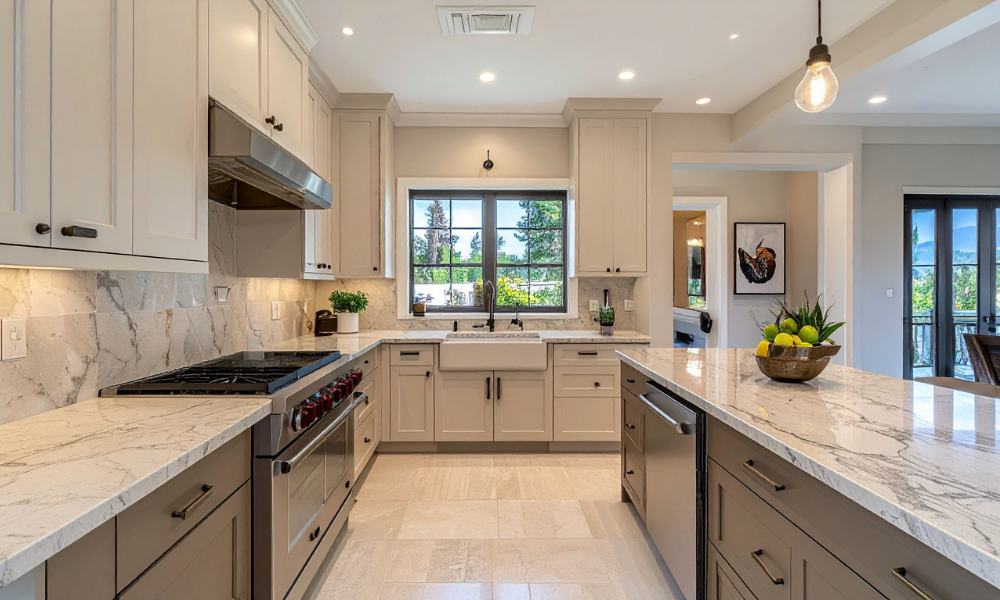
It's easy to assume that bigger is automatically better.
But how much of that additional space will you actually use?
Think about your everyday routine.
Do you need four bedrooms, or would three work?
Do you need separate formal living and dining rooms?
Could one room serve as both an office and guest room?
Would you rather have 300 additional square feet—or live closer to the places you visit regularly?
The goal isn't to buy the smallest home possible.
It's to understand the difference between space you need and space that simply looks attractive during a showing.
3. Consider Your Future Plans
A smaller home may work perfectly today.
But what about several years from now?
Think about possible changes involving:
children
working from home
aging parents
frequent guests
hobbies
storage
pets
lifestyle changes
You don't need to predict your entire future.
But if you already know you'll likely need substantially more space soon, buying a home that's barely large enough today could create another move sooner than expected.
4. Remember That Bigger Homes Come With Tradeoffs Too
More square footage isn't free after you buy the property.
A larger home may mean more:
furniture
cleaning
heating and cooling
maintenance
repairs
general upkeep
A larger property may also come with a bigger yard or additional systems to maintain.
Some buyers will gladly accept those responsibilities for the extra room.
Others may realize they'd rather own less house and spend more of their time enjoying the location.
Neither approach is automatically right.
5. Compare the Lifestyle, Not Just the Homes
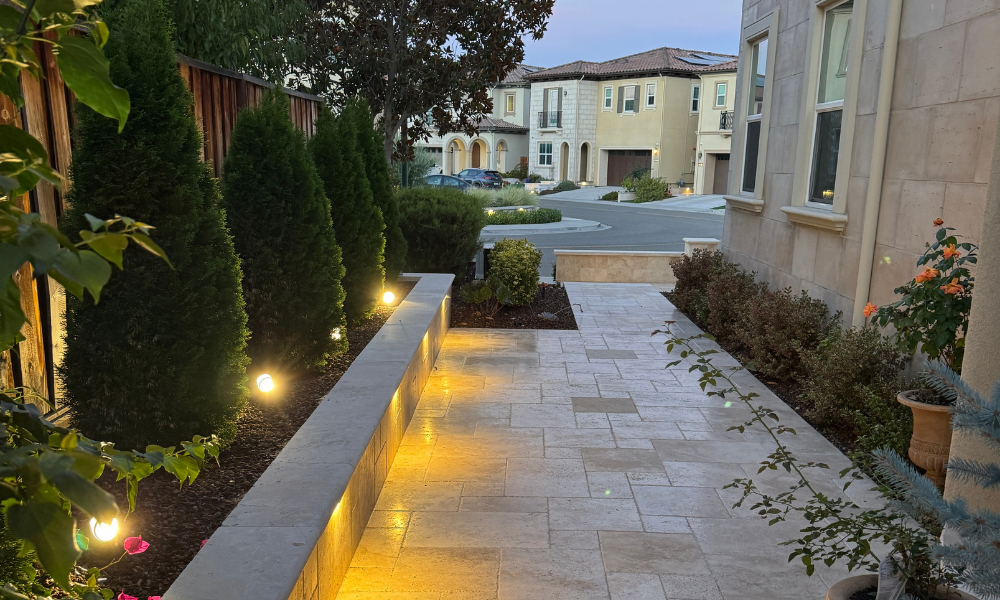
Suppose you're comparing two properties.
Home A gives you significantly more space but adds time to your commute and puts you farther from the places you regularly visit.
Home B is smaller but places you closer to work, restaurants, parks, transportation, family, or the community where you already spend your time.
Don't compare them only by bedrooms and square footage.
Imagine an ordinary Tuesday in each home.
Where will you drive?
How long will your commute take?
Where will you spend your weekends?
Will the smaller home feel restrictive—or will the location improve your everyday life enough to make the tradeoff worthwhile?
Those questions can sometimes tell you more than the listing details.
Watch This: What Every Buyer Should Know Before Making an Offer
Choosing between more space and a preferred location is exactly the kind of decision buyers should work through before making an offer.
👉 In “What Every Buyer Should Know Before Making an Offer,” we discuss important considerations buyers should evaluate before committing to a property.
The goal isn't simply to find the most house your budget can buy. It's to find the home that makes sense for the way you actually want to live.
The Bottom Line
Should you buy a smaller home in a location you prefer?
It can be a smart choice if the smaller home still gives you enough space for your needs.
Before deciding, compare:
your actual space requirements
commute and transportation
neighborhood lifestyle
future needs
maintenance responsibilities
everyday convenience
what you're gaining by choosing the preferred location
what you're giving up by choosing less space
👉 Square footage matters—but you experience your location every day too.
The better choice is the home that gives you the right balance of space, location, budget, and lifestyle, rather than simply the largest property you can afford.
Contact
At Cornerstone Real Estate Team, we help buyers compare homes throughout the Tri-Valley based on more than square footage—including location, commute, neighborhood, property features, and long-term lifestyle fit.
Jameel Batshon and Ramez Bahu are real estate professionals with Cornerstone Real Estate Team serving buyers and homeowners throughout the Tri-Valley, including Pleasanton, Dublin, Livermore, Danville, and San Ramon.
📞 925-203-5672
Cornerstone Real Estate Team – Jameel Batshon and Ramez Bahu
Media Disclaimer: Some images and media used in this blog are for informational and illustrative purposes. All rights and credits belong to their respective owners.
