How Much Does the Lot Matter When Buying a Home?
When buyers compare homes, most of the attention naturally goes to the house itself.
How many bedrooms does it have? Is the kitchen updated? Is there enough living space?
But there’s another part of the property that can make a major difference in how much you enjoy living there:
The lot.
Two homes with similar square footage can feel completely different because of lot size, shape, slope, privacy, orientation, and usable outdoor space.
So, how much should the lot matter when you’re buying a home?
Here are five things to consider.
1. Usable Lot Size Can Matter More Than the Number
A listing may advertise an impressive lot size, but that number doesn't always tell you how much of the property you'll actually use.
For example, part of a larger lot could include:
a steep slope
unusual terrain
landscaping that requires significant maintenance
narrow side yards
areas that aren't practical for everyday activities
Meanwhile, a smaller but well-designed lot could provide a functional patio, lawn, garden, and entertaining area.
When touring a home, don't just ask:
“How big is the lot?”
Ask:
“How much of this lot works for the way I want to live?”
2. Think About Privacy
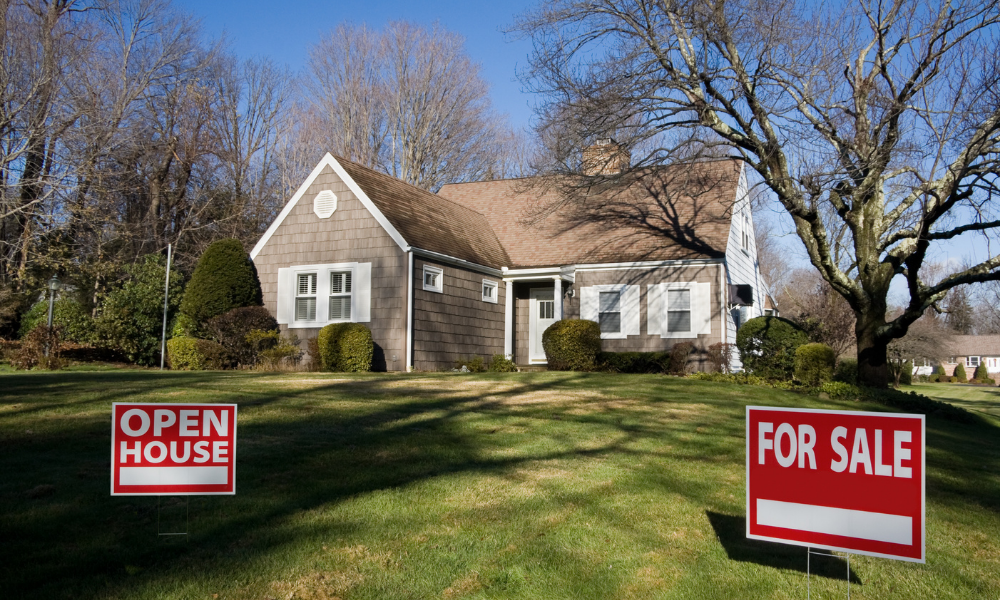
Lot placement can have a big effect on privacy.
Look beyond the backyard fence.
Can neighboring homes easily see into the yard?
Are there homes directly behind the property?
Does the yard back to open space, another street, or a heavily traveled area?
Are neighboring homes positioned above the property?
This can be particularly important when evaluating homes in different Tri-Valley neighborhoods where lot configurations and terrain can vary.
If outdoor privacy matters to you, spend time evaluating the backyard rather than focusing only on the home's interior.
3. Pay Attention to Slope, Drainage, and Landscaping
A hillside or sloped lot can provide an attractive setting, but buyers should understand the property they're considering.
Pay attention to drainage, retaining walls, landscaping, and how water appears to move around the property.
If something concerns you, an appropriate qualified professional can help evaluate it during your investigation of the home.
Landscaping deserves consideration too.
A large yard with extensive grass, trees, irrigation, or mature landscaping may require more time and expense to maintain than a smaller outdoor area.
The question isn't whether a large lot is better.
It's whether you're comfortable taking care of it.
4. Think About What You May Want From the Yard Later
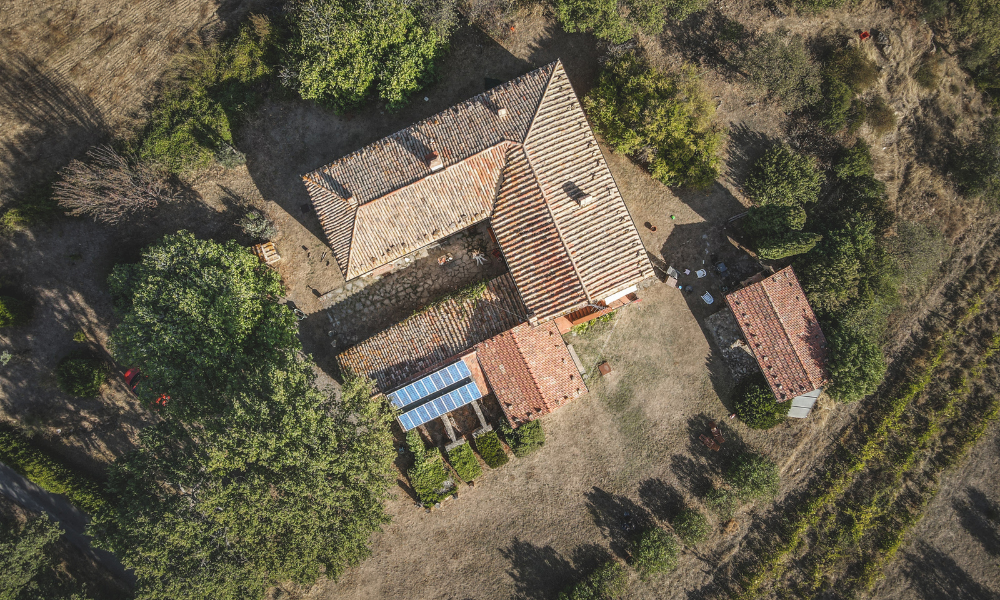
Your needs may change after you buy the home.
Today, you might simply want a patio and somewhere to barbecue.
Later, you could want:
a garden
play space
room for pets
additional entertaining space
a pool
more privacy
another permitted improvement
If you have plans to modify or develop the property, don't assume that having enough physical space means the project will automatically be allowed.
Lot boundaries, easements, setbacks, HOA restrictions, zoning, permitting requirements, and other considerations may affect what can be done.
Investigate those issues with the appropriate professionals and local authorities before buying if they're important to your plans.
5. Decide Whether You'd Rather Have More House or More Land
This is where the decision becomes personal.
With a particular budget, you may sometimes face a tradeoff.
Would you rather have a larger house on a smaller lot—or a smaller house with more outdoor space?
There's no universally correct answer.
Someone who loves gardening and entertaining outside may value the lot heavily.
A buyer who travels frequently and wants minimal maintenance may prefer a smaller yard.
Another household may prioritize interior square footage because they need bedrooms, an office, or additional living space.
Knowing which matters more to you can make comparing homes much easier.
Watch This: What Buyers Want in Tri-Valley Homes
Lot size and outdoor space are just two of the many features buyers may consider when choosing a home.
👉 In “What Buyers Want in Tri-Valley Homes (Top 10 Must-Have Features),” we discuss the features buyers often prioritize when evaluating properties throughout the Tri-Valley.
The important thing is deciding which features actually improve your lifestyle rather than simply trying to find a home that checks every possible box.
The Bottom Line
How much does the lot matter when buying a home?
Potentially quite a bit—but usable space matters more than simply looking at the lot-size number.
Before making an offer, consider:
usable outdoor space
privacy
lot shape
slope and drainage
landscaping and maintenance
neighboring properties
your future plans for the yard
whether you prefer more land or more interior space
👉 You're not just buying the house. You're buying the property around it, too.
Take time to walk the entire lot and think about how you'll actually use it.
Contact
At Cornerstone Real Estate Team, we help buyers look beyond bedrooms and square footage and evaluate the complete property—including the lot, location, outdoor space, condition, and long-term lifestyle fit.
Jameel Batshon and Ramez Bahu are real estate professionals with Cornerstone Real Estate Team serving buyers and homeowners throughout the Tri-Valley, including Pleasanton, Dublin, Livermore, Danville, and San Ramon.
📞 925-203-5672
Cornerstone Real Estate Team – Jameel Batshon and Ramez Bahu
Media Disclaimer: Some images and media used in this blog are for informational and illustrative purposes. All rights and credits belong to their respective owners.
