
What Happens After Your Offer Is Accepted? The Tri-Valley Escrow Timeline
Short answer: Once your offer is accepted, you're "in escrow." In a typical California purchase you wire your deposit within about 3 business days, finish inspections and review disclosures in the first couple of weeks, clear the appraisal and inspection contingencies around day 17 and the loan contingency around day 21, then do a final walk-through and close. A financed purchase often closes in about 30 days. Your contract sets your exact dates, so keep a copy of them where you'll see it.

Cornerstone Real Estate Team, Jameel Batshon and Ramez Bahu, is a real estate team in Dublin, California helping Tri-Valley buyers and sellers from first offer to keys. We've been part of nearly 2,000 transactions since 2005, and the first question after "We got it!" is almost always "Okay, now what?"
Here's what happens next, step by step.
The Timeline at a Glance

When | What happens |
|---|---|
Day 0 | Offer accepted. Escrow opens. |
Within about 3 business days | Your deposit goes to escrow. |
First 1 to 2 weeks | Inspections, disclosures, HOA documents, title report. |
Around day 17 | Inspection and appraisal contingencies come off. |
Around day 21 | Loan contingency comes off. |
A few days before closing | Final walk-through. |
Often about day 30 | Sign, fund, record. You get the keys. |
These are common defaults in California's standard purchase contract. Yours can be shorter or longer. A strong offer often shortens them.
Step 1: Your Offer Is Accepted (Day 0)

The clock starts the day both sides sign. That day, three things should happen:
Escrow opens. A neutral escrow company holds the money and paperwork until closing.
Your lender gets the contract. Send it right away so the loan and appraisal get moving.
You get your dates. Ask your agent for a one-page list of every deadline.
Step 2: Your Deposit Goes to Escrow

Your earnest money deposit is usually due within about 3 business days. It shows the seller you're serious.
Before you wire a dollar, call escrow at a phone number you already know is real and confirm the wire instructions out loud. Real estate wire fraud usually starts with a fake email that looks like it's from escrow.
Step 3: Inspections and Disclosures

This is your chance to really get to know the house.
Read the seller's disclosures. They tell you what the seller knows about the home. Read every page, not just the summary.
Schedule your inspections. A general home inspection, a pest inspection, and anything those suggest, like a roof, sewer line or chimney inspection.
Review the HOA documents if there's an HOA: fees, rules, reserves and any planned special assessments.
Look over the preliminary title report for liens or easements.
If something comes up, you can ask the seller for a repair, a credit or a lower price. You can also walk away while your investigation contingency is still in place.
Step 4: The Appraisal
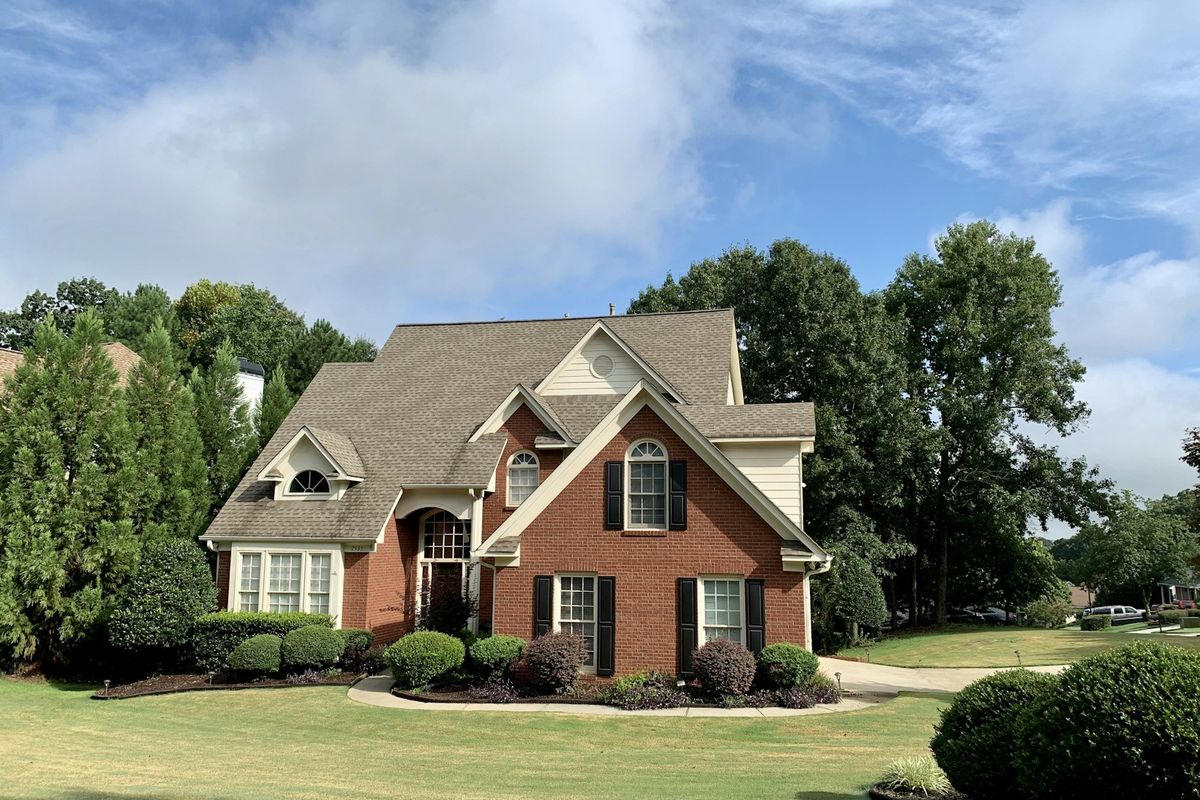
If you're getting a loan, your lender orders an appraisal to make sure the home is worth what you're paying. If it comes in low, you can ask the seller to lower the price, cover the gap yourself, or split the difference. Your appraisal contingency protects you while you work it out.
Step 5: Final Loan Approval

Your lender verifies your income, assets and credit one more time. Don't change jobs, open new credit cards, finance a car or move large sums of money during escrow. Any of those can delay or derail your loan.
Step 6: Removing Contingencies

Contingencies don't just disappear when the date passes. In California you remove them in writing. If you miss a date, the seller can send you a Notice to Perform, which gives you a short window to act or risk losing the deal.
Once you remove a contingency, you can no longer cancel for that reason without risking your deposit. That's why your inspections, appraisal and loan need to be truly done before you sign the removal.
Step 7: The Final Walk-Through
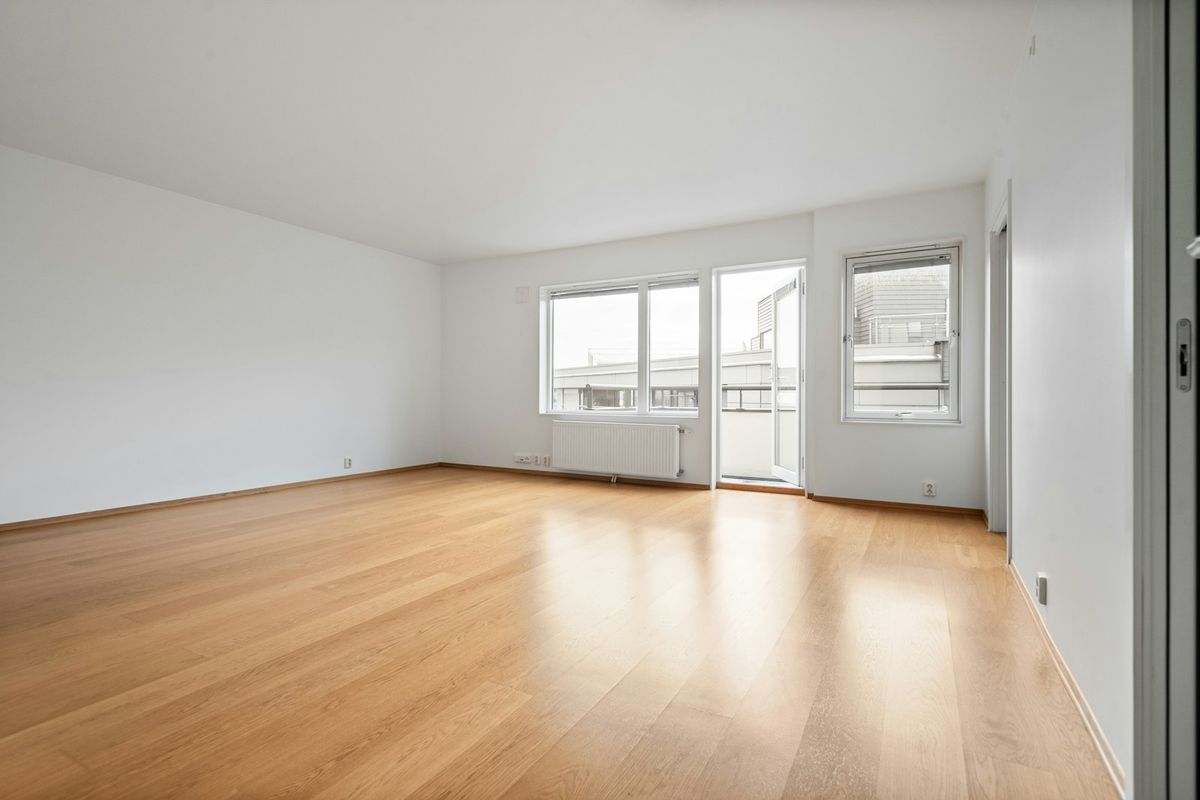
A few days before closing, you walk through the home one last time. Make sure:
Any agreed repairs were done.
Everything that's supposed to stay is still there.
Nothing new is broken, leaking or damaged.
Step 8: Signing, Funding and Keys
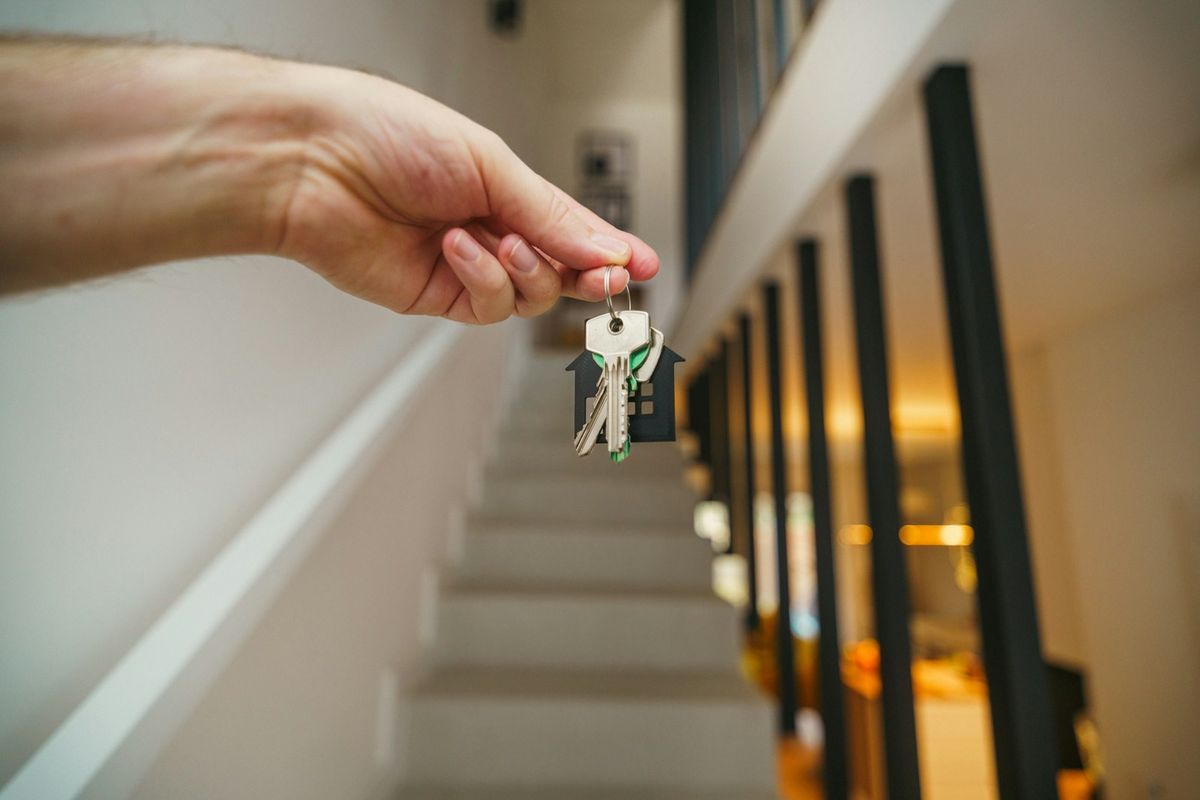
You sign your loan and closing documents with a notary, usually a few days before closing. You wire your remaining funds, again confirming instructions by phone. The lender funds the loan, the deed records with the county, and then the home is yours. Your agent will tell you exactly when you can pick up the keys.
What Slows Escrow Down?
Late paperwork to the lender. Send what they ask for the same day.
Repairs negotiated late. Raise issues early, while you still have time.
A low appraisal. Have a plan before it happens.
Missed deadlines. Put every date in your phone the day you go into contract.
New debt or a job change. Wait until after you have the keys.
Frequently Asked Questions
How long does escrow take in California?
A financed purchase often takes about 30 days. All-cash purchases can close faster. Your contract sets your closing date.
What does "contingent" mean?
It means your purchase depends on certain things working out, like the inspection, the appraisal and your loan. Until you remove a contingency in writing, it protects you.
When do I remove contingencies?
Common defaults in California's standard contract are around day 17 for inspections and appraisal and day 21 for the loan. Your contract may set different dates.
Can I back out after my offer is accepted?
Usually yes, while your contingencies are still in place, and for the reasons they cover. After you remove them, backing out can put your deposit at risk.
When do I get the keys?
After the loan funds and the deed records with the county. Your agent will confirm the time.
Related Reading
Pre-Qualified vs. Pre-Approved: Why Your Letter Might Be Costing You Offers in the Tri-Valley
5 Questions to Ask Before You Write an Offer in the Tri-Valley
What Does "As-Is" Mean When Buying a Home in the Tri-Valley?
Should I Buy First or Sell First When Moving Up in the Tri-Valley?
The Bottom Line
The weeks after "accepted" go smoothly when you know your dates, read everything, and don't make big money moves until you have the keys.
Under contract or about to be? Call or text Cornerstone Real Estate Team, Jameel Batshon and Ramez Bahu, at 925-203-5672. We'll walk you through your dates, one by one.